Why AI can’t replace your job
In-demand IT jobs are one of the safest career bets right now, especially in a world where AI is moving fast and automation is everywhere.
There are some jobs that AI simply can’t replace. In this article, I’ll walk you through six IT roles that AI just can’t fully take over. This is mostly because human judgment and people skills are still sacrosanct, and in real workplaces, they matter more than automation. Period.
You’ll get the gist of what each role actually does, and why human-driven decisions keep real-world systems and organizations running when things get tough.
By the end, you’ll have a clear list of 6 high-paying, in-demand IT jobs that AI can’t replace, along with the real reasons these roles are still future-proof.
6 In-demand IT Jobs That AI Will NEVER Replace
1. Enterprise Solution Architects
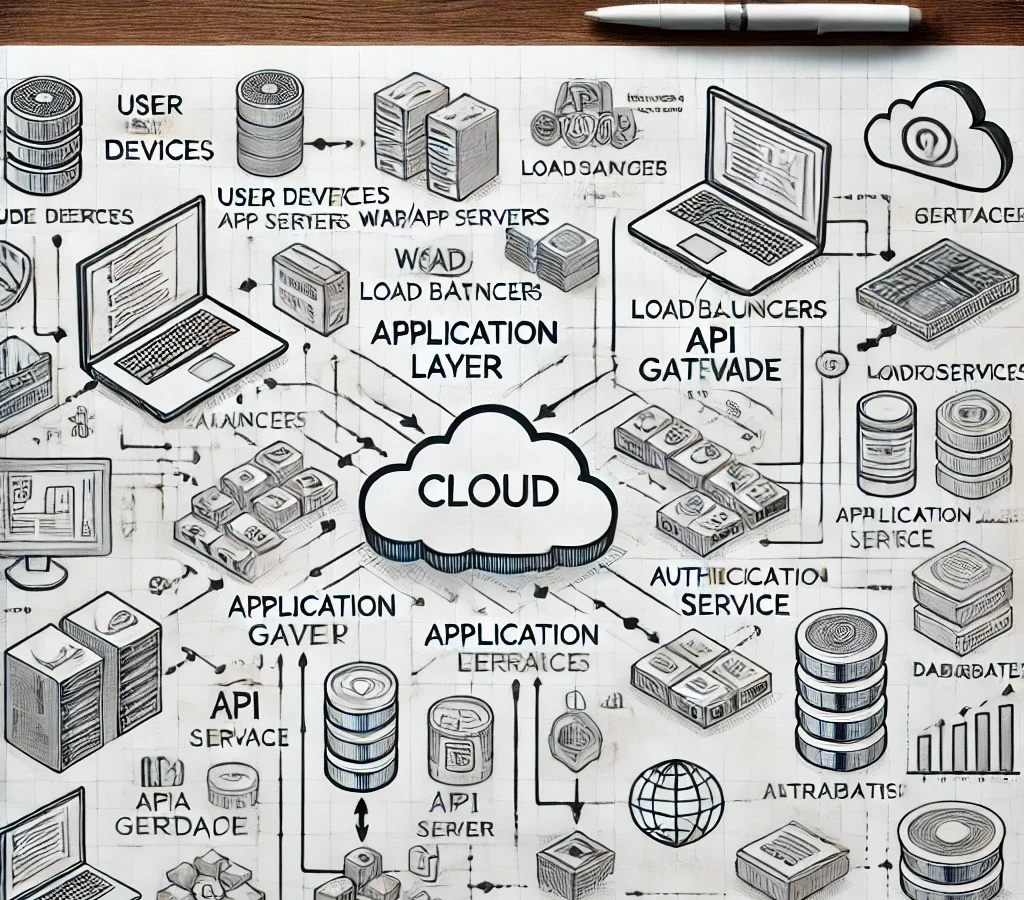
Most industry experts agree that the Enterprise Solution Architect role isn’t going away anytime soon. AI isn’t replacing ESAs, but starting around 2025, it is changing how the role looks and works.
From Designing to Orchestrating
AI is already taking over a good chunk of hands-on technical work, up to about 50% in some areas. Things like drafting technical documentation, creating initial architecture diagrams, and writing integration boilerplate are increasingly automated. As a result, architects are shifting from being manual designers to becoming orchestration leaders who guide and connect the bigger picture.
- What AI handles: By 2026, AI is expected to manage tasks such as data validation, capability mapping, artifact creation, and routine compliance checks.
- Where architects focus: With the busywork reduced, architects can spend more time on what really matters, aligning technology with business goals, navigating organizational complexity, and working closely with stakeholders.
Enterprise Solution Architech Skills Humans Still Own
Looking ahead to 2026, there are several areas where human architects clearly still have the upper hand:
- Judgment and ethics: AI doesn’t understand organizational culture, politics, or ethical gray areas the way humans do.
- Complex problem-solving: Picking up on what isn’t being said or uncovering hidden requirements is still very much a human strength.
- Trust and relationships: Gaining the confidence of senior, non-technical leaders and helping them approve major investments relies on personal trust, something AI simply can’t replicate.
In short, AI is changing the job, not eliminating it, and the human side of architecture is becoming more important than ever. As an enterprise architect, you look at how every system fits together across the company. You figure out how legacy, on-prem, and cloud systems talk to each other and make sure nothing breaks in the process.
You review what works, what doesn’t, and recommend what to keep or retire. It’s a lot of balancing. The Enterprise Solution Architect is responsible for aligning business objectives with technology-enabled business opportunities, solution design, and technology evaluation
Aligning Stakeholders
You are responsible for convincing the leadership and other teams why a certain technology investment makes a profitable sense for the business. You get every team, customers, executives on the same page and moving in the same direction.
Your influence and decision-making seal the deal. Tools can help, but they can’t replace that human interaction, thinking and decision-making process
Integration and Interoperability Plan
Designing how all the pieces connect and share data is one of the core tasks of the enterprise architect. Strategy for integration, migration, and retiring old stuff, that’s all on you.
You make sure everything works together and supports the business objectives. Not as easy as it sounds.
2. Technical Product Managers

Turning Ideas into Product Roadmaps
Can AI replace a Technical Product Manager role? The short answer is no; AI cannot replace TPM role. AI is allowing TPMs work smarter by wiping out a lot of the boring, time-consuming busywork.
Imagine AI as an efficient and fast intern that never sleeps. It can draft PRDs in minutes, turn huge piles of data into ready to use insights, and even throw together quick prototypes to test ideas. With all that grunt work handled, the expectations for TPMs have gone way up. You’re still very much in charge, though. AI doesn’t understand the key reason behind your product or who the product sponsor is
You take a business idea and turn it into a real product plan. Deciding what to build, when, and which features matter most? That’s your call. AI can help with data and brainstorming, but you’re the one setting priorities and shaping the roadmap. TPM is one of the Tech jobs AI cant replace.
Bringing Stakeholders into One Vision
You wrangle leadership, customers, engineers, and everyone else into a shared vision. You persuade, justify trade offs, and manage expectations, that’s all about inter-personal relationships.
AI can throw in some ideas and data, sure, but you’re the one having those tough conversations and making the calls.
Keeping the Team Motivated and Focused
You’re the one keeping morale up and the team moving forward. You resolve conflicts, celebrate wins, and keep people focused when things get messy.
AI might suggest tactics, but you’re the one who actually motivates people and keeps them on track.
3. Cybersecurity Professionals
Cybersecurity professionals are not going to be replaced by AI anytime soon, if ever at all. If anything, they’re becoming even more important. Attackers are smarter, they use AI to launch faster, sophisticated, and automated attacks, human judgment and intuition matter more than ever.
Artificial intelligence can handle some routine cybersecurity tasks like vulnerability scanning, event logging and alert triage, and log reviews. AI isn’t perfect, for example, AI gets it wrong by flagging a critical system update as a major breach, cyber professionals are the ones that would step in, do a review and stops the business from grinding to a halt because of false flag. That human backstop role is huge.
AI is great at identifying known threat patterns, but it still struggles recognizing truly new threats. Zero-day attacks and weird edge cases need creative, outside-the-box thinking that machines just don’t have and may never have. On top of that, big calls involving privacy laws, regulations, and internal politics still need a human willing to own the risk.
Cybersecurity role isn’t fading, it’s evolving. AI is enabling Cybersecurity professionals to become faster and more accurate at identifying threats. Cybersecurity has been very lucrative Tech career in the last ten years, testament to that is millions of open roles worldwide, it’s a very safe career path even during economic downturns and recessions.
Incident Handling
When an attack happens, cybersecurity professionals are the first to jump in. As a cybersecurity professional, you partake in the response to contain breaches, gather evidence, and make sure recovery gets moving.
You keep leadership and other teams in the loop, so nobody’s left guessing.
Finding Security Gaps
You are also likely part of efforts to hunt for vulnerabilities before the bad guys do. You check configs, test defences, and decide which fixes matter most based on real risk.
Then you explain the why, so that the responsible teams can actually fix the right stuff. These fixes are not applied by AI. The AI of course can enable the process of hunting for vulnerabilities.
Emergency Response
When things go sideways, it is the cybersecurity team that make fast, tough decisions under serious pressure. You weigh technical trade-offs and business risks, and you own the choices and outcomes. That, AI just can’t do for you.
Attackers become increasingly creative, so you must remain flexible and prepared for any potential threats. AI need time to learn and for now is limited in decision-making capabilities; human intervention i.e. Cyber security professionals, is almost certainly required.
4. Site Reliability and Platform Engineers
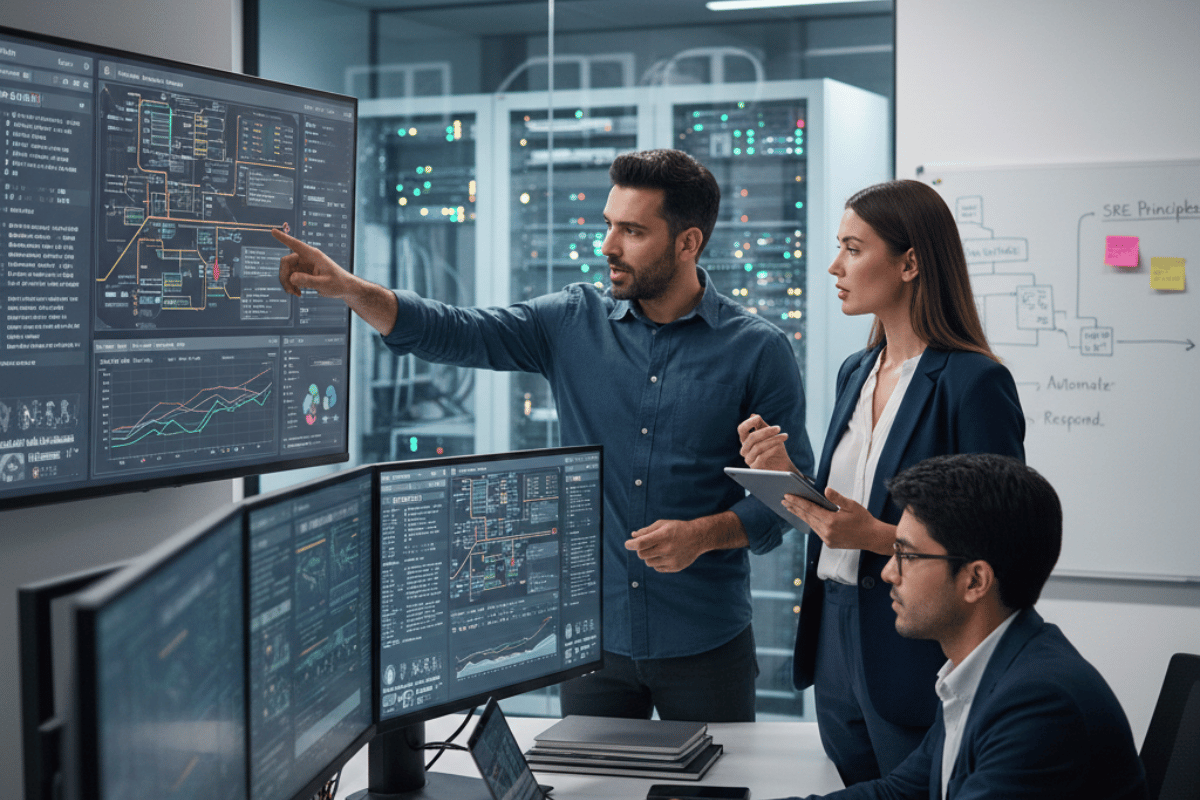
Managing Major Service Failures
Whilst AI can help with repetitive task, like spotting anomalies or drafting incident reports, it is not going to replace the role of Site Reliability Engineer, one big reason is trust.
AI can confidently generate bad configurations or questionable code, the SREs act as the human safety net, double-checking outputs and cleaning up the issues that fast AI-driven development tends to create. Instead of restarting servers by hand, SREs now oversee fleets of AI agents, deciding when to scale, how to fail over, and when an AI recommendation just doesn’t make business sense. In some cases, adopting AI can make the task of a SRE more challenging.
The tech depth has gone up too, with SREs digging deeper into the stack, even using tools like eBPF to block threats early. On-call still exists, but now you’re more investigator than firefighter, and that’s what makes the role so valuable and difficult to replace by AI
If a massive outage happens, as an SRE, you’re the one jumping in to stabilize things. You dig into root causes, roll out fixes, and coordinate rollbacks or workarounds.
Your judgment and awareness make the difference, AI just can’t match it.
Preserving Continuous System Stability
You design and maintain platforms to keep services running smoothly. You build in redundancies, set up monitoring, and use automation but you double-check that changes won’t introduce new problems.
AI offers suggestions, but you make the final calls about safety and risk.
Working Together During High Pressure Events
You pull engineers, ops, and stakeholders together when things get wild. You set priorities, assign tasks, and keep everyone on track, even under stress.
When situations get unpredictable, your judgment is what matters. AI might be able to make such decisions in the future, but 2026 will not be that year.
If you want to futureproof your tech career, SRE is one of the lucrative roles to get into.
5. IT Governance and Risk Compliance
AI is good at repetitive GRC task like collecting evidence, monitoring controls, flagging risks, and generating reports. A GRC professional still must still decide what the risk means. For example, where a critical vulnerability is identified, there is need for someone to determine whether the risk is acceptable or must be remediated immediately, such person is s accountable if things go wrong. A machine can’t take legal responsibility, explain decisions to regulators, or stand in front of the board when there is crisis.
Realistically speaking, there is a human side to GRC that AI just doesn’t handle well. Navigating organisational politics, influencing C suite and executive leadership, and applying judgment in gray areas all need real-world experience and context AI might just not be able to handle. AI might say something violates policy, but a human understands why it happened and how serious it really is.
The role is evolving, not disappearing. GRC professionals are moving from box-checkers to risk advisors, using AI as a tool that help them move faster whilst owning the decisions that mattes.
Regulatory Adherence and Standards
You make sure the company follows the laws and industry rules that affect IT and data. You map out which regulations apply, document controls, and keep compliance evidence ready.
Automation helps, but you still have to interpret those fuzzy regulatory requirements and make the tough calls.
Handling Approved Deviations
If a control can’t be met, you set up an exception process. You record the reason, compensating controls, risk level, and who approved it.
Then you review exceptions and close them out when the problem’s fixed.
Dealing with Regulator Relationships
You keep communication open with regulators and respond quickly to any requests or investigations. You provide evidence and stay transparent about how you’re fixing issues.
Having one person in charge of regulator interactions helps keep things organized and consistent.
6. C Suite and Executive Leadership
Giving top level manager make important decisions that shape business outcome, AI isn’t replacing the C-suite or executive leadership anytime soon.
AI can crunch numbers, surface trends, and even suggest strategic options; however, artificial intelligence can’t lead people. Executives are well paid to make judgment calls when the data is incomplete, manage power dynamics, set culture, and take responsibility when things go wrong. The board can’t fire an LLM model or trust one to inspire teams during a crisis.
AI will absolutely change how leaders work, acting more like a high-powered advisor than a decision-maker. But vision, accountability, and human influence still matter most at the top. AI supports leadership; it doesn’t replace it.
Strategic Decision Making
You guide the big decisions that shape the company’s path. You balance systems, people, and business goals, then pick a direction.
Convincing stakeholders and explaining why a move makes sense? That’s on you.
Leading the Organization
You get teams, customers, and leadership all working toward the same goal. You keep people motivated, aligned, and focused on what matters.
Your leadership brings engineers, product folks, and executives together so nobody’s pulling in the wrong direction.
Adopting Automation and Tools
You use AI and automation to help make decisions and brainstorm, but you don’t hand off the tough stuff. Managing people, handling crises, and accepting risk? Still your job.
At the end of the day, you’re the one responsible for the impact and the outcome.
Key Takeaways on In-demand IT Jobs
- Humans still make the big calls about architecture and strategic integration.
- People turn business ideas into teams that actually implement and deliver IT solutions.
- Human responders and engineers manage the chaos when incidents occur and keep platforms operational.
Final thoughts – How to futureproof your tech career
Keep your focus on roles that really need human judgment, persuasion, and quick thinking in a crisis. These jobs want you to make tough choices, bring people together, and step up when things go wrong — stuff AI just can’t truly handle.
Where do you add the most value? Maybe it’s connecting the dots between systems, turning wild ideas into real plans, or guiding people through messy, uncertain situations. Those skills make these jobs stick around, even with all the fancy new AI tools out there.
Sure, let AI handle the boring analysis and spit out a few options. But don’t hand over your decision-making or your knack for leading people. Your gut feeling, your comfort with risk, and your way of getting folks on board still matter a lot.
And if you want a simple way to build career leverage long-term, it helps to develop skills that improve trust and communication across teams too — this is why content marketing is still such a powerful human-led skill in the digital world.