
Where to Start in Cyber Security can feel overwhelming at first, but the answer is simpler than you think. If you’re just starting out in cybersecurity, focus on the basics first. Get comfortable with how operating systems and networks work, learn core security concepts, and dive into hands-on practice with labs or small projects.
Put your energy into practical skills like Linux, networking, and basic scripting. Pick one entry-level certification to prove you know your stuff and help open doors for your first job.
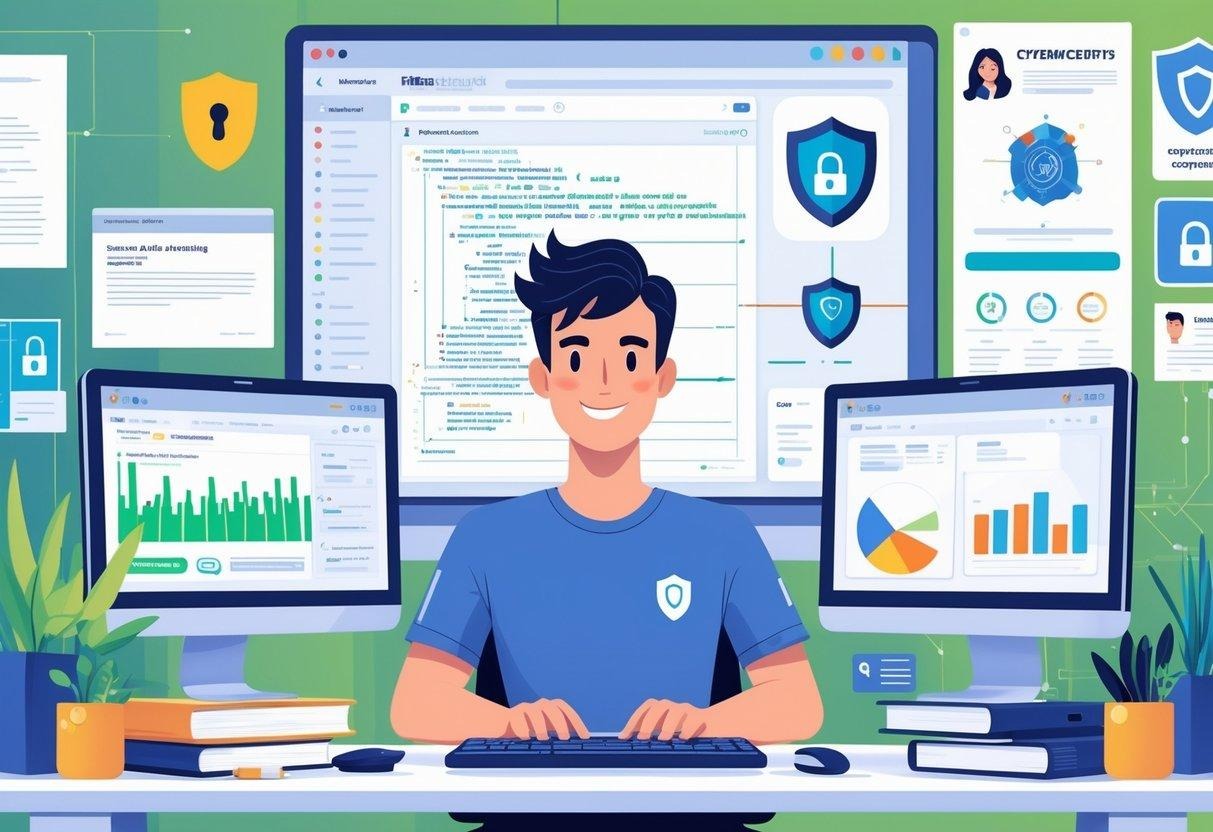
Once you’ve got the fundamentals, try them out in a home lab or with CTFs. Guided labs can also help you turn theory into real experience.
Laying the Foundations of Cybersecurity
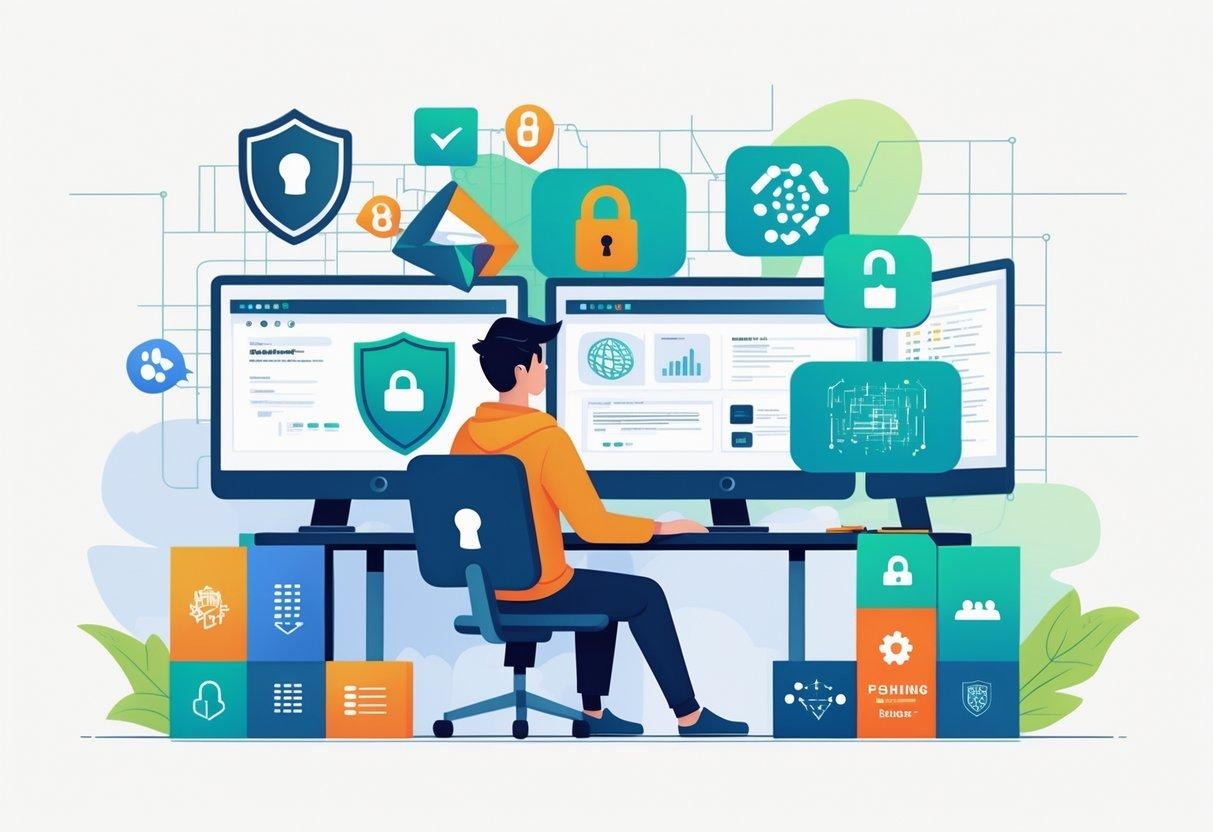
Start with the basics: core security principles, common threats, and hands-on skills that actually matter to employers. Focus on concepts and tools you can practice like the CIA Triad, malware types, firewalls, encryption, and basic networking controls.
Core Concepts: Cybersecurity, Information Security, and the CIA Triad
Cybersecurity is all about protecting systems, networks, and data from unauthorized access and attacks. Information security goes even broader, covering confidentiality, integrity, and availability (the CIA Triad) for both digital and physical assets.
- Confidentiality: Only let the right people read data (encryption, access controls).
- Integrity: Make sure data doesn’t get changed without permission (hashing, checksums).
- Availability: Keep systems and services up when people need them (redundancy, backups).
Learn the language risk, threat, vulnerability, asset, impact. Get familiar with policies like least privilege and separation of duties. These ideas shape the way you’ll set up technical controls and handle incidents, even in junior roles.
Common Cyber Threats: Malware, Viruses, Ransomware, and Phishing
Malware is any software designed to do harm. Viruses spread by attaching to other files, while ransomware locks up your data and demands money usually sneaking in through phishing or weak remote access.
Phishing is sneaky using emails or messages to trick you into giving up credentials or running malware. Watch for weird file extensions, encrypted file names, sketchy prompts, and urgent messages that pressure you to act fast.
Try safe labs that let you practice spotting phishing and containing malware. Learn to check email headers, inspect sender domains, and open attachments in sandboxes before trusting them.
Understanding Network Security: Firewalls, Encryption, VPNs, and Intrusion Detection
Firewalls act as gatekeepers, controlling traffic between networks using rules for IPs, ports, and protocols. Dig into the difference between stateful and stateless filtering.
Encryption keeps data safe in transit (TLS) and at rest (AES). Get the basics of certificates and see how HTTPS and SSH use public key cryptography. VPNs create secure tunnels for remote access know what sets site-to-site and client VPNs apart, and get familiar with protocols like OpenVPN and IPsec.
Intrusion Detection Systems (IDS) and Intrusion Prevention Systems (IPS) help you spot suspicious activity. Practice reading firewall logs, use Wireshark to capture packets, and keep an eye out for odd patterns like unexpected ARP traffic or lots of failed logins.
Understanding TCP/IP ports, sockets, that three-way handshake makes all these tools a lot more useful.
Essential Skills: Networking, Access Control, and Operating Systems
Networking basics like subnets, routing, DNS, and DHCP help you see how attacks travel and where to add defenses. Get to know command-line tools: ping, traceroute, netstat, nslookup, and ipconfig/ifconfig. These are your go-tos for troubleshooting and investigating incidents.
Access control means authentication (passwords, MFA), authorization (RBAC, ACLs), and managing identities (SSO, LDAP). Practice setting up user roles and permissions in Windows Active Directory and Linux file systems.
On the OS side, get comfortable with Windows and Linux admin tasks user management, services, logs, process monitoring, and patching. Try hands-on labs where you set up a small network, apply firewall rules, enable TLS, and test authentication methods. That’s the kind of experience you’ll actually use as a junior analyst.
Building Practical Skills and Advancing Your Cybersecurity Career
Focus on hands-on practice you can repeat, pick a specialization, and go after certifications that matter for entry-level jobs. Choose projects you can actually show off in a portfolio, and look for experiences that match job descriptions for roles like security analyst, incident responder, or pentester.
Getting Hands-On: Labs, Projects, and Capture the Flag Challenges
Sign up for platforms like TryHackMe and Hack The Box. Work through beginner paths, then try intermediate rooms that teach web, network, and binary exploitation. Keep track of your time and what you learn it’s more impressive than you might think.
Build projects that mimic real job tasks. Maybe run Wireshark on simulated traffic, deploy a vulnerable web app and test it against the OWASP Top 10, or try building a phishing-email classifier and see how well it works. Write up your process, tools, and results in a README for your portfolio.
Jump into Capture The Flag (CTF) events to practice problem-solving under pressure. Pick categories that fit your interests web for app security, crypto for fundamentals, forensics for digging into disk and memory. Share your write-ups (redacted, of course) so others can see how you think through problems.
Exploring Specializations: Ethical Hacking, Forensics, Incident Response, and Cloud Security
Figure out what fits you by looking at the day-to-day work. If you like simulating attacks and writing exploits, ethical hacking or pentesting might be your thing. Try out Metasploit, Burp Suite, and some custom scripts then put together redacted pentest reports for your portfolio.
If you prefer digging into evidence and following trails, check out digital forensics. Practice disk imaging, timeline building, and capturing volatile memory in safe labs. Tools like Autopsy and Volatility help, and clear, step-by-step reports show you understand the process.
Incident response is great if you like triage and organizing chaos. Build up your log analysis skills (think SIEM), containment strategies, and post-incident reporting. Try making an incident response playbook and run tabletop exercises to show you can handle a crisis.
Cloud security’s huge as more stuff moves to AWS, Azure, and Google Cloud. Practice IAM hardening, config audits, and encryption. Build cloud projects secure an S3 bucket, set up least-privilege roles, and document what you did. Cloud diagrams and screenshots make your portfolio stand out.
Certifications and Education: CompTIA Security+, CEH, CISSP, and Online Courses
Pick certifications that match where you’re at. CompTIA Security+ is a solid start for security analyst roles. Use practice exams and labs that look like real job tasks to get ready.
If you want to show off hands-on offensive skills, go for the Certified Ethical Hacker (CEH) and get plenty of lab hours. CEH proves you know your way around ethical hacking, but back it up with practical evidence like CTF results or pentest write-ups.
Save CISSP for later, once you’ve got a few years of experience. It’s more about governance, risk, and architecture good for moving into leadership or GRC roles.
Online courses (Coursera and others) can keep your learning structured. Pick ones with labs and real assessments. Keep your certificates, lab screenshots, and project links handy in your portfolio so you’ve got more than just a list of credentials to show.
Professional Growth: Networking, Internships, and Continuous Learning
Go out and network at local meetups, conferences, and even online communities. Security-focused conferences whether regional or virtual are great places to meet people who actually care about the same things.
If you can, present a short case study or maybe a CTF write-up. That sort of thing gets you noticed, especially by recruiters and hiring managers who pay attention to folks contributing to the community.
Look for internships or entry-level gigs like junior security analyst or SOC analyst. Every task is a chance to build something you can show off later incident reports, ticket write-ups, remediation plans, you name it.
Bring those artifacts to interviews. They speak louder than a resume ever could.
Set aside time each week for hands-on learning. Follow vendor advisories and keep an eye on threat intelligence feeds, even if it feels overwhelming at first.
Keep your portfolio updated with projects, certifications, and results that actually tie back to real-world cybersecurity skills. It’s a lot, but it’s worth it if you want to stand out in this field.
If you’re wondering where to start in cyber security, begin with structured learning paths and real-world practice. The National Institute of Standards and Technology (NIST) provides cybersecurity frameworks and guidance that outline foundational principles: https://www.nist.gov/cyberframework. Understanding these core standards helps beginners align their skills with real industry expectations.
Related Posts on Act & Thrive
If you’re serious about building influence, income, or long-term digital leverage, these related guides on Act & Thrive will help you go deeper:
- 👉 Make Money on TikTok Without Showing Your Face
Learn how to monetize TikTok even if you prefer staying behind the scenes. - 👉 TikTok Affiliate Marketing for Beginners
A step-by-step breakdown of how to turn TikTok traffic into affiliate income. - 👉 Content Marketing: How Quality Content Builds Trust and Drives Sales
Understand why high-value content always outperforms hype long term. - 👉 Businesses That Thrive in a Recession
If you’re thinking beyond views and toward sustainable income, this is essential reading. - 👉 6 In-Demand IT Jobs That AI Will Never Replace
Future-proof your skill set while building your online brand. - 👉 Easiest Cybersecurity Job to Get Into
A practical starting point if you’re looking to transition into tech.